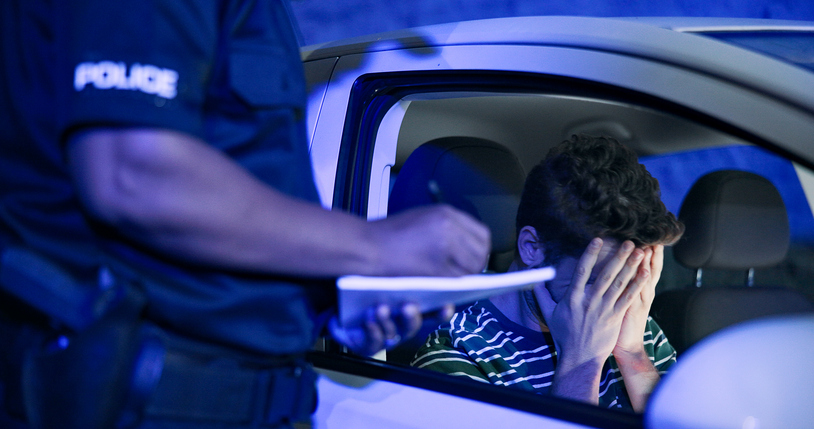
A DUI arrest doesn’t announce itself. One minute you’re driving home after a night out, confident you’re fine — the next, you’re looking at flashing blue lights in your rearview mirror. What happens in the next few hours, and the decisions you make in the next few days, can shape the rest of your life.
Driving under the influence is one of the most prosecuted criminal offenses in the country. According to FBI Uniform Crime Reporting data, approximately 804,926 Americans were arrested on DUI suspicion in 2024 alone — accounting for 11% of all arrests nationwide. That’s not a small number. That’s nearly a million people who woke up one morning and had no idea their evening would end in handcuffs.
This piece breaks down how DUI enforcement works across the United States, what makes Colorado’s approach particularly aggressive, and why understanding your rights before you need them is the single smartest thing a driver can do.
Key Takeaways
- Nearly 805,000 Americans were arrested for DUI in 2024, representing 11% of all arrests in the U.S. that year.
- In Colorado alone, over 14,000 DUI arrests were made in 2024, with Westminster PD ranking among the highest-arrest agencies during enforcement periods.
- Colorado operates a dual-track system — meaning your license can be suspended by the DMV and you face criminal charges, and these play out on completely separate timelines.
- A first-time DUI conviction in Colorado carries mandatory minimum jail time, fines, community service, and possible ignition interlock requirements.
- You have only seven days from the date of your DUI arrest to request a DMV hearing — miss that window and your license suspension becomes automatic.
- DUI charges can often be challenged. The traffic stop, breathalyzer calibration, field sobriety test procedures, and BAC testing protocols are all subject to scrutiny.
- A DUI conviction stays on your Colorado record permanently, though its weight in sentencing lessens after ten years.
How Big Is the DUI Problem in America?
The scale of impaired driving in the United States is genuinely staggering — and the human cost behind the numbers makes them even harder to ignore.
According to the National Highway Traffic Safety Administration (NHTSA), 12,429 people died in alcohol-related crashes in 2023. That’s roughly 34 deaths per day — one every 42 minutes. Drunk drivers were responsible for about 30% of all traffic fatalities in the country that year.
The 25-to-34 age group causes the most alcohol-related driving fatalities, and approximately four out of five drunk drivers involved in fatal crashes are male. Summer months — particularly June through August — account for a disproportionate share of impaired driving incidents, according to federal crash data.
Despite all this, enforcement is uneven. Experts note that the average impaired driver gets behind the wheel dozens of times before being stopped. That gap between actual impairment and actual arrests explains why DUI enforcement has become increasingly aggressive in states like Colorado, which run coordinated statewide enforcement campaigns multiple times per year.
DUI vs. DWAI: Understanding the Two Charges in Colorado
Most states only have one primary drunk driving charge. Colorado has two — and a lot of drivers don’t realize the second one exists until it’s too late.
DUI (Driving Under the Influence)
A DUI in Colorado is charged when a driver’s blood alcohol concentration (BAC) is 0.08% or higher, or when they are “substantially incapable” of safely operating a vehicle due to alcohol or drugs. Under Colorado Revised Statutes § 42-4-1301, you can be charged with DUI even if your BAC comes back below the legal threshold — if the officer’s observations, field sobriety tests, and other evidence suggest substantial impairment.
DWAI (Driving While Ability Impaired)
DWAI is the lesser charge — but don’t mistake “lesser” for “minor.” A DWAI applies when a driver’s BAC is between 0.05% and 0.079%, or when there’s evidence of any slight impairment from alcohol, drugs, or a combination of both. A first DWAI conviction still carries fines, points on your driving record, and mandatory alcohol education. And a prior DWAI conviction counts as a prior offense if you’re ever charged with DUI later.
DUI Per Se
Colorado also recognizes “DUI per se” — meaning simply driving with a BAC of 0.08% or higher is itself a crime, regardless of whether you appeared impaired. Both DUI and DUI per se can be charged simultaneously, though sentences run concurrently.
One additional wrinkle: Colorado has a 5 nanogram per 100 milliliters of blood permissible inference limit for THC. That means a driver can be charged with DUID (Driving Under the Influence of Drugs) involving marijuana, even if they don’t feel high at the time of driving.
What the Penalties Actually Look Like
A lot of people assume a first DUI means a fine and maybe some community service. That assumption is wrong — and it catches people off guard.
First Offense
A first-time DUI conviction in Colorado currently carries:
- 5 days to 1 year in jail (minimum 10 days if BAC is 0.20% or higher)
- Fines of $600 to $1,000, plus court costs and surcharges
- 48 to 96 hours of community service
- 12 points added to your driving record
- 9-month license revocation
- Mandatory alcohol education and treatment program
- Possible ignition interlock device (IID) requirement
If your BAC was 0.15% or higher, you’re automatically classified as a Persistent Drunk Driver (PDD) under Colorado law — which triggers enhanced requirements, including a mandatory 2-year ignition interlock installation and Level II alcohol education, even on a first offense.
Second and Third Offenses
The penalties escalate sharply. A second DUI conviction can mean mandatory 10 days to 1 year in jail, with at least 10 consecutive days required if the prior was within five years. A third DUI brings 60 days to 1 year of mandatory jail time. Fines, interlock requirements, and probation conditions compound with each offense.
When It Becomes a Felony
Colorado enacted a Felony DUI law in 2015. A fourth or subsequent DUI conviction — or any DUI involving vehicular homicide or vehicular assault — is classified as a Class 4 felony. Felony DUI convictions can result in 2 to 6 years in state prison, a fine of up to $500,000, and a permanent felony record that affects employment, housing, and civil rights for life.
The Two-Track System: Court and the DMV
One of the most misunderstood aspects of a Colorado DUI is that it triggers two completely independent processes — and you have to fight on both fronts at the same time.
The Criminal Court Track deals with the actual criminal charge: arraignment, possible plea negotiations, trial, and sentencing. This is what most people picture when they think of a DUI case.
The DMV Administrative Track deals strictly with your driving privileges. Colorado’s Express Consent Law means that by driving in the state, you’ve already agreed to chemical testing if arrested for DUI. If you fail the test — or refuse it — the DMV can suspend your license independently of any court outcome.
The critical piece: you have only seven days from the date of your arrest to request a DMV hearing. Miss that deadline, and the suspension becomes automatic. Most people don’t know this until days after their arrest, when the window has already closed.
Colorado’s Enforcement Machine: The Numbers Are Real
Colorado isn’t taking a passive approach to DUI. The state runs coordinated enforcement campaigns — known as “The Heat Is On” periods — that span major holidays, sporting events, and seasonal high-risk windows throughout the year.
In 2025, Colorado was on track to exceed 16,000 DUI arrests for the year, averaging more than 1,300 arrests every single month. The Colorado Department of Transportation (CDOT) partners with the Colorado State Patrol and over 60 local law enforcement agencies for these targeted enforcement periods.
During the most recent New Year’s Eve enforcement period, Westminster Police Department made 11 DUI arrests — ranking second-highest in the state for that period. These aren’t just statistics from far away. They’re arrests happening on familiar streets, during the same hours that millions of Coloradans are out celebrating.
The Denver metro area — including Jefferson County communities like Arvada, Westminster, and Broomfield — consistently sees significant DUI enforcement activity. Jefferson County courts handle a high volume of DUI cases, and local law enforcement agencies in these communities are active participants in statewide enforcement campaigns.
Why a DUI Charge Isn’t Always a Conviction
Here’s something the average person doesn’t realize: a DUI arrest is not the same as a DUI conviction. The evidence that law enforcement collects — including the breathalyzer reading, field sobriety test results, and the circumstances of the traffic stop — is not automatically bulletproof.
Challenging the Traffic Stop
Every DUI case begins with a traffic stop. Under the Fourth Amendment, law enforcement needs reasonable suspicion to pull you over. If the officer lacked proper justification — if the stop was based on a hunch rather than observed behavior — any evidence gathered afterward may be suppressible.
Breathalyzer Reliability
Breathalyzer results are frequently treated as scientific fact. They aren’t.
In 2023, the Massachusetts Supreme Judicial Court ruled that breathalyzer devices used by the state between 2011 and 2019 were improperly calibrated — making approximately 27,000 DUI convictions or guilty pleas eligible for withdrawal or new trials. In 2024, a New Jersey Supreme Court ruling similarly found that faulty test calibration had affected roughly 23,000 cases stretching back to 2008.
These aren’t isolated incidents. Breathalyzer accuracy depends on proper device maintenance, regular calibration, officer training, a 15-to-20-minute observation period before testing, and the absence of health conditions that can skew results. Diabetes, acid reflux, GERD, and even certain diets can produce readings that overstate actual BAC. Cold temperatures, humidity, and device manufacturing defects can all introduce error.
A skilled DUI defense attorney can request calibration logs, maintenance records, and officer certification documentation to probe the validity of any breath test result.
Field Sobriety Tests
Standardized field sobriety tests — the walk-and-turn, one-leg stand, and horizontal gaze nystagmus — are administered roadside under less-than-ideal conditions. Poor lighting, uneven surfaces, physical disabilities, nervousness, and footwear can all affect performance. These tests are subjective evaluations by the arresting officer, and they can be challenged on those grounds.
Rising BAC Defense
BAC is not static. After you stop drinking, your BAC can continue rising for 30 to 90 minutes. If you were pulled over shortly after leaving a bar or restaurant, your BAC at the time you were driving may have been lower than it was when you were tested. This “rising BAC” argument is a legitimate defense in Colorado courts.
What to Do After a DUI Arrest in Colorado
The hours following a DUI arrest matter more than most people realize. Here’s what to prioritize:
- Stay calm and stay quiet. You have the right to remain silent. Politely decline to answer substantive questions until you have legal representation. Roadside statements become part of the record.
- Note everything you can remember. Time of the stop, where you’d been, what you consumed and when, the officer’s instructions and actions, the conditions of the road and weather. Write it down as soon as possible — detail fades fast.
- Contact a DUI defense attorney immediately. This isn’t something to figure out over a few days. Evidence matters, and so does timing.
- Request your DMV hearing within seven days. This is the step most people miss. The clock starts the moment of your arrest. If you don’t request a hearing with the Colorado DMV within that window, your driving privileges will be suspended automatically — before your criminal case even moves forward.
- Don’t discuss your case on social media. Posts, photos, and check-ins from the night in question can and will be used against you.
Colorado Resources for Impaired Driving Information
The Colorado Department of Transportation’s DUI resource page provides information on enforcement periods, victim resources, and statewide data. The Colorado DMV’s DUI process page explains the administrative hearing process in detail. For those dealing with substance use concerns, Colorado Behavioral Health Administration connects residents with treatment and counseling resources.
These resources are informational — they aren’t a substitute for legal counsel if you’re facing charges.
The Long-Term Consequences Nobody Talks About
A DUI conviction is a criminal conviction. Its impact doesn’t end when probation does.
A DUI conviction in Colorado stays on your criminal record permanently. While its weight in sentencing diminishes after ten years, it doesn’t disappear. Employers, landlords, professional licensing boards, and immigration authorities can all see it.
The financial toll compounds quickly. Between court fines, DMV reinstatement fees, mandatory alcohol education programs, ignition interlock device costs, increased insurance premiums (SR-22 insurance is required for years after a conviction), and lost wages from court appearances and possible incarceration, a single DUI can easily cost $10,000 to $30,000 out of pocket — and that’s on the low end.
For commercial drivers, the professional stakes are even higher. A DUI for someone holding a commercial driver’s license (CDL) is processed under a separate and stricter standard. For drivers under 21, Colorado’s zero-tolerance policy means any detectable alcohol level can trigger a charge.
If You’re in the Denver Metro — Westminster, Broomfield, or Arvada — Local Defense Matters
Not all DUI defense is the same. Colorado’s statutes are complex, local prosecutors vary in how aggressively they pursue charges, and courtroom dynamics shift from county to county.
If you’re facing charges in the northwest Denver metro area, working with someone who knows the courts, the prosecutors, and the local enforcement landscape can make a measurable difference in how your case resolves.
If you need a DUI defense lawyer in Broomfield, a Westminster DUI defense attorney, or an Arvada DUI defense lawyer, local representation is worth prioritizing. Jefferson County’s courts have their own rhythms. An attorney who regularly appears before those judges and knows those prosecutors is not just a legal resource — they’re a strategic advantage.
Frequently Asked Questions About DUI in Colorado
What is the legal BAC limit for a DUI in Colorado?
The standard legal limit is 0.08% for most adult drivers. Commercial drivers are held to 0.04%, and anyone under 21 can be charged for any detectable alcohol under the state’s zero-tolerance policy. Colorado also allows DUI charges at lower BAC levels if there’s other evidence of substantial impairment.
What happens to my license after a DUI arrest in Colorado?
Two things happen simultaneously: the Colorado DMV initiates an administrative process to suspend your license, and the criminal court process begins separately. If you don’t request a DMV hearing within seven days of your arrest, your license suspension becomes automatic regardless of what happens in court.
Is jail time mandatory for a first DUI in Colorado?
For most first-time DUI convictions, mandatory jail time exists — the minimum is five days. If your BAC was 0.20% or higher, the minimum jumps to ten consecutive days. Courts have some discretion for first offenders, and alternatives like in-home detention may be available in certain circumstances.
Can a DUI charge in Colorado be reduced or dismissed?
Yes, it’s possible. Common grounds for reduction or dismissal include challenging whether the traffic stop was constitutionally valid, disputing the accuracy of breathalyzer results due to calibration issues or health conditions, and attacking the administration of field sobriety tests. Not every DUI case ends in conviction — the quality of the defense and the strength of the evidence both matter.
What is a Persistent Drunk Driver (PDD) designation in Colorado?
Colorado automatically classifies a driver as a Persistent Drunk Driver if their BAC was 0.15% or higher, if they refused chemical testing, or if they have two or more prior alcohol-related driving violations. PDD status triggers mandatory two-year ignition interlock requirements, Level II alcohol education, and SR-22 insurance — even for a first-time offense if the BAC threshold is met.
Does a DUI stay on my record in Colorado?
A DUI conviction remains on your criminal record permanently in Colorado. After ten years, prior DUIs carry less weight in sentencing calculations for subsequent offenses, but the conviction itself does not seal or disappear automatically. Some convictions may be eligible for record sealing under recent law changes after meeting specific waiting period requirements.
Can I refuse a breathalyzer in Colorado?
You can refuse, but it comes with serious consequences. Under Colorado’s Express Consent Law, refusal triggers an automatic license suspension and is itself treated as evidence in criminal proceedings. Refusal can also now result in a separate criminal charge in certain circumstances involving a blood draw warrant under HB24-1135. Refusing does not necessarily protect you from a DUI charge.
What should I do first if I’ve been arrested for DUI in Colorado?
Invoke your right to remain silent, request an attorney immediately, and — within seven days of your arrest — contact the Colorado DMV to request an administrative hearing on your license suspension. The DMV deadline is strict and non-negotiable. Missing it waives your right to contest the administrative suspension regardless of how your criminal case proceeds.
How much does a DUI cost in Colorado?
Total costs vary widely but rarely come in under $10,000 for a first offense. Direct costs include court fines ($600–$1,000), DMV reinstatement fees, ignition interlock rental and calibration fees, alcohol education program fees, and SR-22 insurance premiums. Indirect costs — missed work, lost job opportunities, increased insurance rates over years — push the real total substantially higher.
Is marijuana DUI treated differently in Colorado?
No — DUI in Colorado covers impairment from any substance, including cannabis. Colorado uses a 5 ng/mL blood THC threshold as a permissible inference of impairment. Even below that threshold, a driver can still be charged if other evidence suggests their ability to operate a vehicle was impaired. This is particularly relevant given Colorado’s legal cannabis market and the misconception that consuming marijuana before driving is legally treated differently than alcohol.