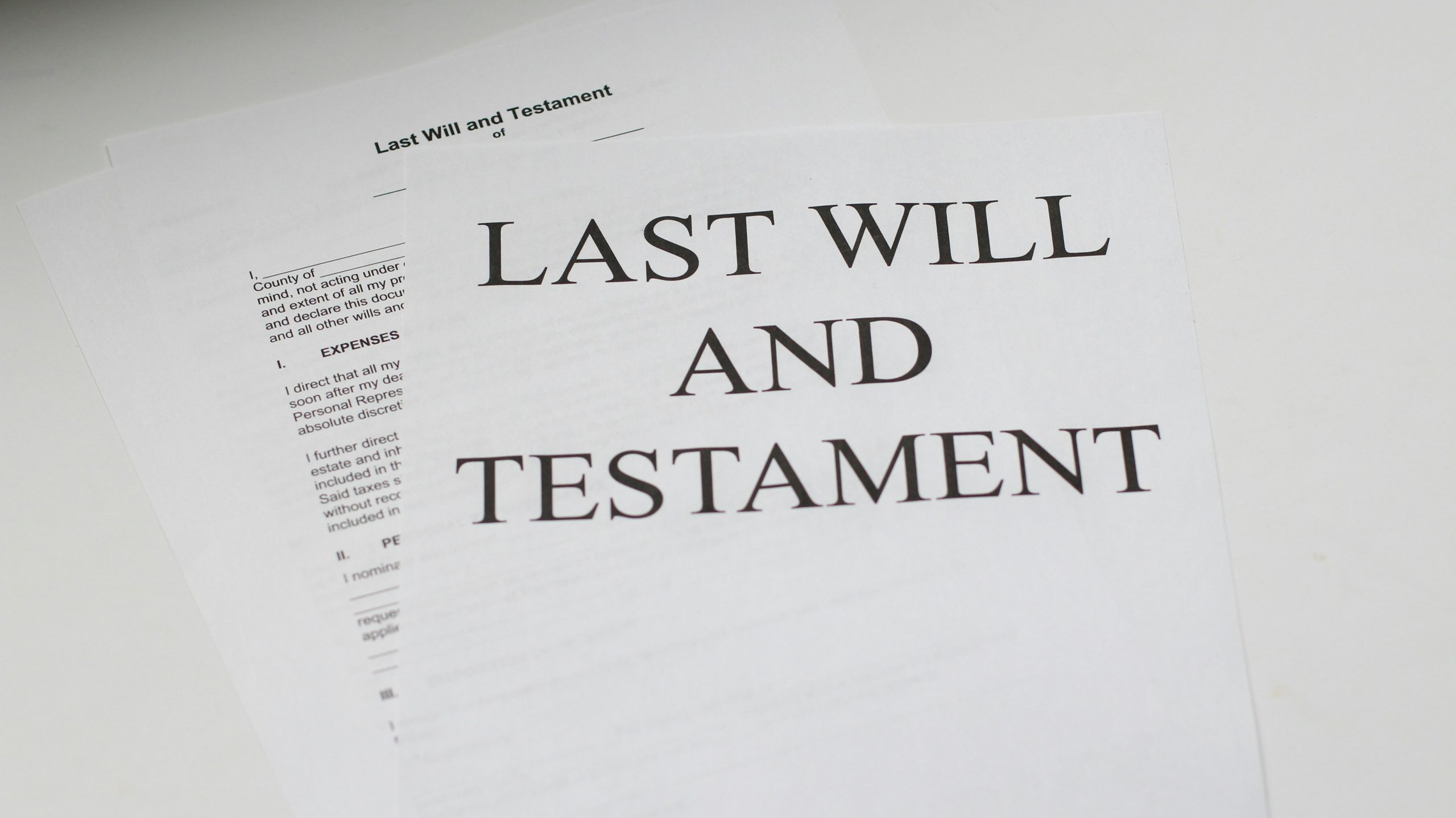
Most people spend years building an estate — a home, savings, retirement accounts, maybe a small business — and almost no time planning what happens to it after they’re gone. When that planning doesn’t happen, the courts step in. What follows can be time-consuming, expensive, and far more complicated than most families expect.
Probate is one of those legal processes that nearly everyone will encounter at some point — either after a loved one dies or in planning for their own death — yet few people understand it until they’re already in the middle of it. The American Bar Association’s Section of Real Property, Trust and Estate Law describes probate as the formal legal process by which a deceased person’s assets are administered, debts are paid, and property is transferred to heirs. In practice, it can feel like much more than that.
This guide walks through how probate works, what it means for your estate, common mistakes families make, and — for Hoosier readers — a focused look at what navigating the probate process in Indiana actually looks like under state law.
What Is Probate — and Why Does It Exist?
When someone dies, their assets don’t automatically transfer to their heirs. Without a formal mechanism to verify what a person owned, who they owed money to, and who should receive what’s left, the potential for fraud, family disputes, and creditor abuse would be significant. Probate exists to create an orderly, court-supervised process that protects everyone involved — heirs, creditors, and the public record alike.
At its core, probate does three things:
- Validates the will (if one exists), confirming it reflects the deceased’s genuine wishes and meets legal requirements.
- Settles outstanding debts by giving creditors a formal window to file claims against the estate.
- Distributes remaining assets to beneficiaries, either according to the will or — if there is none — under the state’s intestacy laws.
According to the U.S. Courts, probate proceedings are handled at the state level, which means the rules, timelines, and costs vary considerably depending on where a person lived at the time of their death.
Does Every Estate Go Through Probate?
No — and this surprises many people. A significant portion of a typical estate may pass outside of probate entirely, depending on how assets are titled and whether beneficiaries have been designated. Common examples of assets that bypass probate include:
- Life insurance policies with a named beneficiary
- Retirement accounts (401(k)s, IRAs) with designated beneficiaries
- Jointly owned property with right of survivorship
- Assets held in a living trust
- Payable-on-death (POD) and transfer-on-death (TOD) accounts
The Consumer Financial Protection Bureau notes that proper estate planning — establishing trusts, updating beneficiary designations, and titling assets correctly — can dramatically reduce or even eliminate the need for probate. For families that haven’t done this planning, however, probate is often unavoidable.
The General Probate Process: Step by Step
While exact procedures differ by state, the broad framework of probate is fairly consistent across the country. Here is how the process typically unfolds:
1. Filing the Petition
The process begins when a person — usually the executor named in the will, or a close family member if there is no will — files a petition with the local probate court in the county where the deceased resided. The original will (if one exists) and a death certificate are submitted at this stage.
2. Appointment of a Personal Representative
The court formally appoints an executor (sometimes called a personal representative or administrator) to oversee the estate. This person takes on real legal responsibilities — they are not simply a ceremonial role. The IRS outlines the general duties of an estate administrator, which include filing tax returns for the deceased and for the estate itself.
3. Inventorying the Estate
The personal representative must compile a thorough inventory of the deceased’s assets — real estate, bank accounts, vehicles, investments, personal property, and business interests. Accurate valuation matters here, because it affects both creditor claims and how assets are ultimately distributed.
4. Notifying Creditors
Creditors must be notified of the death and given a legally defined window — typically three to six months, depending on the state — to file claims against the estate. This step is one of the most important consumer protections built into the probate system. It prevents creditors from surfacing years later to pursue heirs for debts.
5. Paying Debts and Taxes
Before heirs receive anything, the estate must settle valid debts, final income taxes, and any applicable estate taxes. The IRS estate tax threshold for 2025 is $13.99 million per individual, meaning the vast majority of estates owe no federal estate tax. State-level estate or inheritance taxes, however, vary considerably and should be reviewed on a state-by-state basis.
6. Distributing Assets and Closing the Estate
Once debts are paid, remaining assets are distributed according to the will — or, in the absence of a valid will, according to the state’s intestacy laws. The personal representative then files a final accounting with the court, and the estate is formally closed.
Key Takeaway The typical probate process takes anywhere from six months to over a year, depending on the size and complexity of the estate, the presence of disputes, and the efficiency of the local court system. Contested wills or complex business assets can extend proceedings significantly.
What Happens If There Is No Will?
Dying without a valid will — known as dying intestate — doesn’t mean assets go to the state. It means the state decides how they’re distributed. Every state has intestacy statutes that establish a priority order of heirs, typically beginning with a surviving spouse, then children, then other relatives. The Uniform Law Commission’s Uniform Probate Code has been adopted in whole or in part by many states to standardize these rules.
What intestacy cannot account for is your individual wishes. If you wanted a close friend, a charitable organization, or a non-traditional partner to receive part of your estate, that won’t happen without a properly executed will. The absence of a will is not just a legal inconvenience — it can fundamentally reshape who inherits your life’s work.
Common Mistakes That Complicate Probate
Probate doesn’t have to be a nightmare, but certain missteps reliably make it one. The most common include:
- Failing to update beneficiary designations. Outdated beneficiary forms on retirement accounts and life insurance can override even a carefully drafted will — and courts generally won’t intervene.
- Holding all assets in one person’s name. When a surviving spouse or co-owner is involved, improper titling can pull assets unnecessarily into probate.
- Not keeping the original will in a known, accessible location. A will no one can find is functionally the same as no will at all.
- Failing to plan for digital assets. Email accounts, cryptocurrency, subscription services, and online banking require specific planning. The Revised Uniform Fiduciary Access to Digital Assets Act (RUFADAA) provides legal guidance here, but it requires advance planning to be effective.
- Waiting too long to open probate. Most states have filing deadlines after a person’s death. Missing these deadlines can create serious legal complications.
A Closer Look: Navigating the Probate Process in Indiana
For families in the Hoosier State, navigating the probate process in Indiana means working within a framework established by Indiana Code Title 29, which governs all aspects of estate administration in the state. Indiana’s probate system has several features that distinguish it from other states — some of which can work in families’ favor with the right planning.
When Is Probate Required in Indiana?
Under Indiana law, an estate generally must go through formal probate when it contains solely owned assets without designated beneficiaries and is valued above $100,000 (for deaths occurring after June 30, 2022). The Indiana probate code at Ind. Code § 29-1-8-1 provides a simplified small estate affidavit procedure for estates at or below this threshold, allowing heirs to collect assets directly from banks and financial institutions without setting foot in probate court — a significant time and cost savings.
The Three-Year Filing Deadline
Indiana sets a three-year filing deadline after a person’s death to initiate probate proceedings. While this may seem like a long window, families who are dealing with contested estates, missing documents, or uncooperative co-heirs should be aware that delays carry real legal risk. Missing this deadline can jeopardize the entire administration of the estate.
Supervised vs. Unsupervised Administration
Indiana gives estates a choice between two paths: supervised administration, in which the court closely oversees every major action taken by the personal representative, and unsupervised administration, which grants the personal representative considerably more independence to act without seeking court approval at every step. Most straightforward estates opt for unsupervised administration to save time. However, when family dynamics are contentious or the estate involves complex assets, supervised administration offers an additional layer of protection and accountability.
Creditor Claims in Indiana
One of Indiana’s most family-friendly probate provisions is its creditor claims window. Once a notice of administration is published in a local newspaper, creditors have three months to file claims against the estate. After that deadline passes, creditors generally cannot pursue heirs for the decedent’s debts. This provision — found in Indiana’s probate statutes — creates a clean break that protects beneficiaries from open-ended creditor exposure.
No State Inheritance Tax
Indiana is one of a relatively small number of states that has fully repealed its inheritance tax. Indiana did so in 2013, meaning heirs — regardless of their relationship to the deceased or the size of the estate — owe no state inheritance tax. The Indiana Department of Revenue confirms that the repeal applies to all decedents who passed away after the effective date. For most Indiana families, the only potential tax concern is the federal estate tax, which — at the 2025 exemption of $13.99 million — affects fewer than one in a thousand estates.
Transfer-on-Death Deeds: A Powerful Probate Avoidance Tool
Indiana allows property owners to execute a transfer-on-death (TOD) deed, which names a beneficiary to receive real estate directly upon the owner’s death — without probate. Under Ind. Code § 32-17-14-11, this deed must be properly executed and recorded with the county recorder’s office during the owner’s lifetime to be effective. It represents one of the most practical and underutilized tools available to Indiana homeowners who want to keep their real estate out of probate.
Intestate Succession in Indiana
For Hoosiers who die without a will, Indiana’s intestate succession laws govern who inherits. The basic framework: if a surviving spouse exists, they receive a significant share of the estate, with the remainder divided among children. If there is no spouse and no children, the estate moves to parents, then siblings, and so on down the family tree. Unmarried partners, regardless of the length or depth of the relationship, receive nothing under intestate succession — a stark reminder of why even a simple will matters.
Probate vs. Estate Planning: Two Sides of the Same Coin
It is worth drawing a clear distinction between probate — which is reactive, triggered by death — and estate planning, which is proactive. The goal of sound estate planning is often to minimize the burden of probate on your loved ones, not to avoid accountability entirely.
Tools commonly used in estate planning to reduce probate exposure include:
- Revocable living trusts, which allow assets to be managed during your lifetime and transferred at death without court involvement
- Durable powers of attorney, which authorize someone to manage your finances if you become incapacitated
- Healthcare directives and living wills, which ensure your medical wishes are known and legally documented
- Strategic beneficiary designations on retirement accounts, life insurance, and financial accounts
The National Academy of Elder Law Attorneys recommends that every adult — regardless of age or wealth — have at least a basic will, a durable power of attorney, and a healthcare directive in place. These documents cost far less to create than they save in legal fees and family conflict when they are absent.
When Do You Need a Probate Attorney?
Not every estate requires an attorney. Small, simple estates with few assets and no disputes can sometimes be handled by a competent family member working through the court’s standard procedures. But there are several situations where professional legal guidance is not just helpful — it is essential:
- The estate contains real property, a business interest, or complex financial instruments
- There is no will, and family members disagree on asset distribution
- Creditors are contesting claims against the estate
- A beneficiary is challenging the validity of the will
- The estate spans multiple states
- There are minor children or dependents with special needs who require trust planning
Attempting to navigate contested or complex probate without legal representation is one of the most common ways families inadvertently increase costs and extend timelines. The ABA’s estate planning resources provide a solid starting point for understanding when an attorney is appropriate, and what to expect when you work with one.
Final Thoughts
Probate is not something most families think about until they are already in the middle of it. By that point, grief is layered on top of legal complexity, and decisions that should have been made years earlier suddenly become urgent. The good news is that a modest amount of advance planning — updating beneficiaries, executing a simple will, titling assets correctly — can save the people you love an enormous amount of time, money, and stress.
Whether you are administering a loved one’s estate right now or thinking about what you will leave behind, understanding how probate works puts you in a far better position to protect your family’s interests. For Indiana residents in particular, the state’s relatively straightforward probate framework and elimination of inheritance tax make this an area where smart planning genuinely pays off.
If you are dealing with a probate matter — contested or otherwise — consulting with a qualified estate attorney in your county is always the right call. Courts do not grant extensions for grief, and the legal deadlines embedded in probate are real.